A Practical Guide to Choosing the Right Mattress Type: Comparing Natural and Hybrid Options
In the world of sleep, your mattress is more than a surface to rest on—it's the foundation of your nightly ritual. As we drift through the decades, the way we approach comfort, materials, and durability evolves with science, craftsmanship, and personal preference. This guide dives into the core differences between natural and hybrid mattresses, unpacking materials, support profiles, environmental considerations, and how these choices translate to real-life comfort—especially for Portland-sized bedrooms with standard bed frames.
This article aligns with a practical, editorial voice inspired by People magazine—accessible, relatable, and grounded in evidence without sales pitches. We’ll spotlight three pivotal figures from distinct eras, whose ideas about comfort, design, and the human body continue to influence how we choose a bed today.
What defines natural versus hybrid mattresses?
At a high level, natural mattresses emphasize materials sourced from nature and processed with minimal synthetic interventions. You’ll commonly encounter natural latex, cotton, wool, horsehair, and organic inner components designed to minimize chemical exposure and maximize breathability. Natural latex, for instance, is valued for conforming support and durability, while natural fibers aid temperature regulation and moisture wicking.
Hybrid mattresses, on the other hand, fuse multiple technologies—typically a coil-based support core with a comfort layer made of foam, latex, or other materials. The intent is to blend the best of two worlds: the long-lasting support of coils and the adaptive comfort of soft, pressure-relieving foams. Hybrids can offer a wide range of firmness and zoning options, which makes them versatile for different sleeping styles and body types.
Understanding the distinction helps you tailor guidance to your sleep needs—whether you prioritize organic sourcing, temperature control, or a balance of bounce and contour.
Three key considerations when choosing a mattress type
-
Materials and sustainability: Natural options emphasize eco-friendly, low-chemical compositions. If you value environmental responsibility, look for certifications such as GOTS, GOLS, and Oeko-Tex, and verify the supply chain for transparency.
-
Support and feel: Natural mattresses tend to emphasize durability and targeted support through latex layers or resilient natural fibers. Hybrids offer a mix of contour and lift, with pocketed coils that isolate motion and provide zoning for different parts of the body.
-
Durability and lifetime: Coil systems in hybrids tend to contribute to a longer overall lifespan, while natural-latex constructions can offer excellent long-term resilience with proper care. Consider your anticipated sleeping position, weight distribution, and bed dimensions for a lasting choice.
How to evaluate firmness, support, and compatibility
Firmness is a personal preference that can change with sleep position, body weight, and even climate. For Portland-sized bedrooms, room dimensions and bed frame compatibility matter. A standard Portland bedroom often accommodates a queen or king-size bed with adequate surrounding space. When evaluating firmness, consider:
- Sleeping position: side sleepers may prefer a slightly softer surface to cushion shoulders and hips; back and stomach sleepers may opt for a firmer feel to maintain spinal alignment.
- Motion transfer: hybrids with pocketed coils reduce partners’ movement disruption, a practical feature for shared spaces.
- Temperature control: natural materials tend to breathe well; hybrids can incorporate breathable foams and coil gaps to promote airflow.
Finally, assess mattress height and its compatibility with your existing Portland-sized bed frame and headboard. A too-tall or too-low mattress can affect accessibility and aesthetics, especially in smaller rooms.
Cultural touchpoints: Three pivotal individuals across time
Sleep science and design have benefited from the ideas of innovators who spanned different eras. Here are three influential figures whose thinking about comfort, posture, and everyday life still resonates in today’s mattress conversations:
Leonardo da Vinci (1452–1519)
While not a modern sleep scientist, Leonardo’s studies of anatomy and posture laid early groundwork for how body alignment matters in daily life. His insistence on precision and observation underpins contemporary approaches to ergonomic bed design—ensuring that beds support the spine as naturally as possible, a principle echoed in the meticulous tailoring of natural and hybrid configurations today.
Florence Nightingale (1820–1910)
A pioneer in healthcare, Nightingale championed evidence, hygiene, and patient comfort. Her emphasis on environment shaping well-being translates into modern sleep design: breathable materials, cleanability, and a calming bedroom environment as essential components of healthier rest rather than mere decoration.
Charles and Ray Eames (1907–1978 and 1912–1988)
Design innovators who celebrated comfort through form and function, their approach to durable, ergonomic furniture informs today’s hybrid comfort systems. The idea that design should be efficient, enduring, and beautiful lives on in the balanced layering of support and contour in modern mattresses.
These figures remind us that comfort is a blend of science, artistry, and daily practice. In Portland and beyond, the best sleep purchases honor a similar trio: reliable materials, thoughtful construction, and a space that supports restful rituals.
Practical recommendations: choosing natural and hybrid options for Portland homes
If you’re seeking a natural mattress, prioritize certifications and the absence of problematic chemicals. Expect a surface that is buoyant yet supportive, with a long lifespan if properly cared for. For hybrid sleepers, focus on coil quality, support zones, and the feel layered over the base—the right combination of coil gauge, comfort layers, and edge support can transform sleep quality, especially in rooms with variable layouts and window light patterns common to Portland homes.
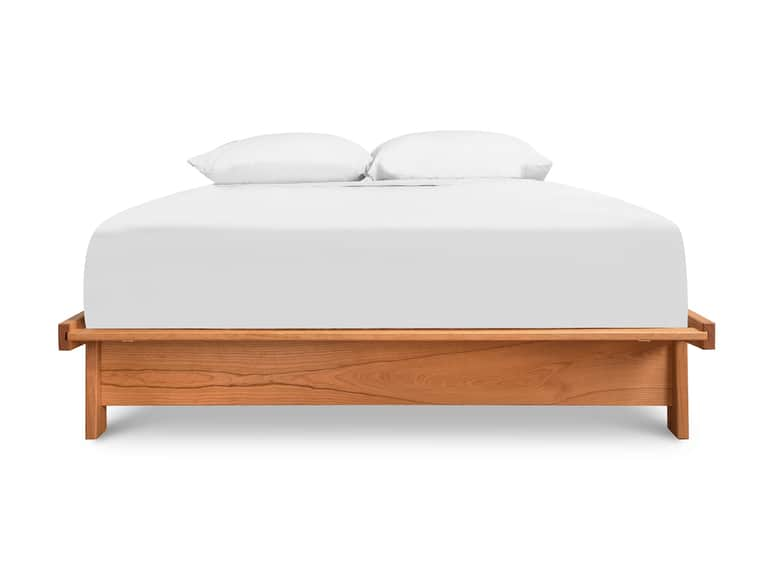
Natural option spotlight: Cherry Moon Dovetail Platform Bed with a natural setup
The Cherry Moon Dovetail Platform Bed exemplifies a crafted, sustainable foundation suitable for a natural-mattress pairing. While the bed itself is a platform frame, pairing it with a natural latex or cotton-based comfort layer can reinforce a holistic, eco-conscious sleeping environment. The Vermont-made craftsmanship speaks to durability and responsible sourcing, aligning with our non-commercial, informative stance.
Product highlight: Cherry Moon Dovetail Platform Bed (Vermont Furniture Designs). This bed frame provides a sturdy base for a natural sleep surface and celebrates clean lines, minimalism, and durable construction.
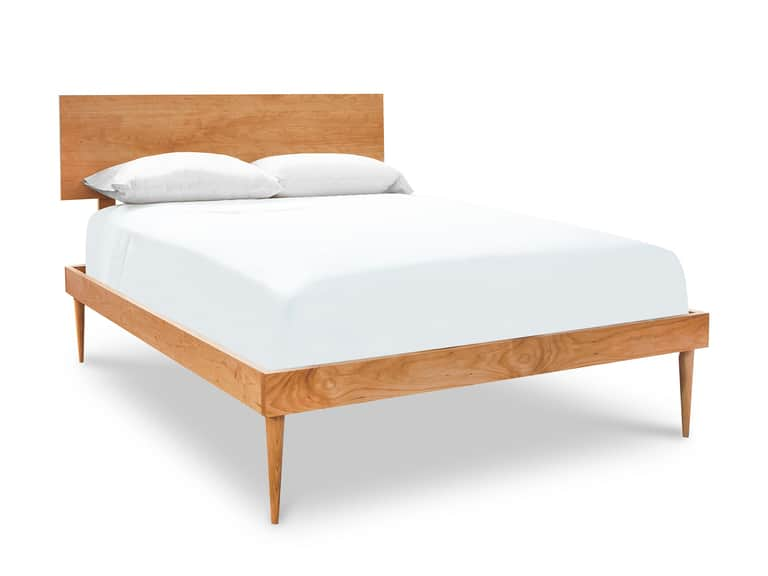
Hybrid option spotlight: Loft Bed with room for a hybrid setup
A hybrid approach can be complemented by a loft bed design when space is at a premium. The Loft Bed, crafted from solid cherry wood with traditional joinery, offers a reliable platform that can support a hybrid comfort system with appropriate foundation and coil-based support beneath. It demonstrates how sturdy, timeless design can accommodate contemporary sleep infrastructure.
Product highlight: Loft Bed (Vermont Furniture Designs). Solid, sustainable cherry wood with a classic silhouette—ideal for pairing with a hybrid mattress for a durable, space-efficient sleeping arrangement.
Local and practical considerations for Portland bedrooms
Portland homes often feature diverse layouts—from compact downtown flats to sunlit, taller homes with generous upper-floor rooms. When selecting a mattress type for Portland spaces, consider ceiling height, under-bed storage, and the location of windows that influence heat and humidity levels. Natural materials often excel in humidity control, while hybrids offer flexibility for rooms where a more tailored support profile is beneficial.
We recommend using a local lens, even in a broader educational article. Look for Portland-area retailers who provide transparent testing periods, sensitivity to climate comfort, and clear guidance on mattress care. Your eventual choice should feel like a thoughtful daily ritual, not a quick impulse purchase.
Starter buying checklist: natural vs hybrid
- Define your primary goals: sustainability, temperature regulation, or a balance of contour and lift.
- Check certifications and materials labeling for natural options (GOTS, GOLS, Oeko-Tex).
- Assess durability indicators: coil type and layer composition for hybrids; resilience and density for natural foams or latex.
- Measure your space: ensure the mattress height and foundation align with your bed frame and room flow.
- Consider a test period and return policy to verify sleep satisfaction without sales pressure.
What to expect in the Portland beds landscape
Portland’s bedding ecosystem blends artisanal craftsmanship with modern sleep science. Whether you lean toward natural materials or enjoy the supportive versatility of hybrids, your best choice should honor your body, your room, and your daily routines. The goal is to cultivate a sleep environment that reduces friction in your night—allowing mornings to begin with calm clarity and a sense of renewed energy.
As you navigate the options, remember that a bed is more than a product—it’s a daily companion. The right mattress type should support your spine, accommodate your preferred sleep position, and fit your lifestyle without compromising comfort or the planet.
Product references and a taste of Portland-friendly options
To illustrate how natural and hybrid options look in real-world contexts, here are two representative pieces that could anchor a Portland-focused shopping guide. We display these to provide visual anchors and practical context for readers exploring materials and design language.
Cherry Moon Dovetail Platform Bed
A bed frame that embraces American craftsmanship with solid, sustainably harvested woods and an eco-friendly oil finish. While marketed as a platform bed, its sturdy build makes it a versatile base for a natural mattress setup, aligning with an Earth-friendly sleep ethos.
Price: $2016.00
Loft Bed
Solid sustainably harvested cherry wood with traditional joinery and hand-applied oil finish. This bed is designed to maximize space while offering a timeless silhouette that pairs well with hybrid mattresses, especially in smaller Portland rooms where floor space matters.
Price: $2195.00
Note: The products above are displayed for context and illustration. Availability and specifications may vary by retailer and region.
Final thoughts: a balanced approach to choosing your mattress
Natural and hybrid mattresses each bring distinct strengths to the bedroom. A natural option may offer environmental peace of mind and cooling comfort, while a hybrid approach can deliver a dependable blend of contour and support. In Portland’s diverse living spaces, the best choice is the one that aligns with your sleep goals, your room’s architecture, and your daily rhythms.
By understanding the core differences, evaluating materials and durability, and considering local living conditions, you can approach mattress shopping with confidence. The ultimate outcome is a bed that feels made for you—an invitation to rest, recharge, and wake up ready to greet the day.